preparation is needed before web testing
Proper preparation is one of the most important steps before conducting a security assessment of a web application. Without effective planning, testing may become inefficient, incomplete, or disruptive to normal business operations. Organizations need to establish clear objectives, define the testing scope, and prepare technical resources before security professionals begin evaluating an application. A well-prepared environment allows testers to perform accurate assessments and helps businesses receive meaningful security insights.
Before starting web testing, organizations should first identify the purpose of the assessment. Businesses may conduct testing to discover vulnerabilities, meet compliance requirements, evaluate new applications, or improve overall security defenses. Clearly defining the goals helps security teams select the right testing approach and focus on areas that are most important to the organization. Understanding the expected outcomes also ensures that both the business and testing team have aligned expectations.
Defining the scope of the assessment is another critical preparation step. Organizations should identify which applications, features, environments, and components will be tested. The scope may include specific web pages, user roles, APIs, databases, authentication systems, or third-party integrations. A clear scope prevents confusion during testing and ensures that important areas are not accidentally excluded. During web application penetration testing, a properly defined scope allows security professionals to focus their efforts on identifying relevant risks within the approved boundaries.
Obtaining proper authorization before testing begins is essential for legal and operational reasons. Security testing involves activities that may resemble real attacks, so organizations must provide written approval and establish rules of engagement. These agreements define what systems can be tested, when testing can occur, what techniques are allowed, and how potential issues should be handled. Proper authorization protects both the organization and the security professionals conducting the assessment.
Technical preparation is also necessary before testing starts. Organizations should provide testers with required access details, such as test accounts, application documentation, network information, and environment details. Access credentials allow testers to evaluate different user roles and verify whether permissions are properly configured. Providing accurate technical information helps reduce delays and allows the assessment to be performed more efficiently.
What preparation is needed before web testing?
Organizations should also prepare a suitable testing environment whenever possible. Testing directly on a production application may create unnecessary risks, especially for systems handling critical business operations. A dedicated testing environment that closely matches the production setup allows security professionals to identify vulnerabilities without affecting users. If testing must occur in a live environment, additional precautions should be established to prevent service interruptions.
Understanding the application architecture is another important part of preparation. Security teams need information about the technologies, frameworks, databases, hosting platforms, and integrations used by the application. This knowledge helps testers plan effective testing methods and identify areas that may require additional attention. Complex applications with multiple components require deeper analysis to ensure that security risks are properly evaluated.
Organizations should also identify important business functions before testing begins. Certain application features may have higher security importance than others, such as payment processing, user management, confidential data handling, and administrative controls. Sharing this information with testers allows them to focus on areas that could have the greatest impact if compromised. Understanding business processes also helps identify vulnerabilities related to application logic.
Communication between internal teams and security professionals is another key preparation requirement. Developers, system administrators, and security teams should know when testing will occur and how potential findings will be communicated. A clear communication process ensures that urgent issues can be addressed quickly and that testing activities do not create unnecessary confusion.
Data protection considerations should also be addressed before testing. Organizations should determine how sensitive information discovered during testing will be handled and stored. Security professionals must follow responsible practices to protect confidential data and maintain privacy throughout the assessment. Establishing these procedures before testing begins helps maintain trust and ensures secure handling of assessment results.
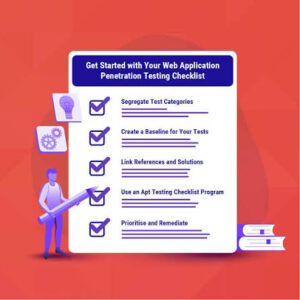
A checklist can help organizations prepare effectively for web testing. Reviewing scope details, access requirements, system information, testing schedules, and communication procedures ensures that important preparation activities are completed. Proper planning improves the quality of the assessment and allows security teams to focus on identifying vulnerabilities rather than resolving avoidable administrative issues.
In conclusion, preparation before web testing involves defining objectives, establishing scope, obtaining authorization, providing technical access, preparing environments, and maintaining clear communication. These steps create the foundation for a successful security assessment and help organizations achieve accurate results. A well-organized web application penetration testing process depends heavily on effective preparation because thorough planning enables security professionals to identify vulnerabilities, evaluate risks, and provide valuable recommendations for improving application security.