Modular classroom buildings
As educational institutions continue to seek flexible and cost-effective solutions for expanding learning spaces, modular classroom buildings have become an increasingly popular option. One of the most common questions school administrators and planners have is, “How big can modular classroom buildings be?” The answer depends on several factors, including the intended use, site availability, design flexibility, and structural limitations. Understanding these considerations can help schools plan and implement modular classrooms that meet both current needs and future growth.
Modular classroom buildings are highly adaptable, which allows them to vary greatly in size. They can range from small, single-classroom units to large, multi-classroom complexes capable of accommodating hundreds of students. Because these buildings are constructed off-site in modules, they can be combined horizontally and vertically, depending on the site layout and regulations. Horizontal expansions involve adding modules side by side, which is ideal for schools with ample land. Vertical stacking is also possible, though it may require additional structural reinforcements and adherence to local building codes. This modular flexibility means that schools can scale their facilities quickly and efficiently without the extended timelines associated with traditional construction.
The size of Modular Classroom Buildings is also influenced by the number of classrooms or learning spaces required. For smaller institutions or temporary educational setups, a single modular unit with one or two classrooms may be sufficient. Larger institutions, however, often require multi-unit complexes that function like conventional school buildings. These modular classroom buildings can include multiple floors, administrative offices, restrooms, science labs, and even recreational areas. Each module can be customized to meet specific requirements, allowing architects and school planners to design layouts that maximize available space while maintaining functionality.
Another factor affecting the size of modular classroom buildings is the intended use and occupancy. Some schools require classrooms designed for smaller group learning or specialized programs, which can affect the module dimensions. Others may need larger classrooms, lecture halls, or multi-purpose spaces. The flexibility of modular design allows these variations to be accommodated without compromising structural integrity. Additionally, modular classroom buildings can be configured to include hallways, communal areas, and specialized facilities such as libraries or computer labs, further expanding their overall footprint.
Site constraints also play a significant role in determining the size of modular classroom buildings. Schools located in urban areas may face limited land availability, which may necessitate taller, vertically stacked modules to maximize space. Conversely, institutions with extensive campuses can take advantage of horizontal expansions, creating sprawling modular complexes that offer easy access between classrooms. Modular construction allows for customization according to the specific characteristics of each site, including topography, accessibility, and environmental considerations. This flexibility ensures that even challenging locations can accommodate appropriately sized modular classroom buildings.
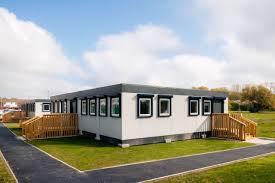
How big can modular classroom buildings be?
The materials and construction methods used in modular classroom buildings also influence their size potential. Modern modular structures are built with lightweight, durable materials that provide strength without adding excessive weight. Steel, aluminum, and engineered timber are commonly used for framing, while insulated panels enhance energy efficiency and structural stability. Because these materials are engineered for modular construction, they allow for larger spans and taller buildings than traditional temporary structures. As a result, schools can achieve greater flexibility in layout and design while maintaining the durability and safety standards required for educational facilities.
Another consideration is the regulatory and safety requirements associated with modular classroom buildings. Local building codes, fire safety standards, and accessibility regulations may impose limits on the height, width, or overall square footage of modular complexes. Architects and builders must work closely with local authorities to ensure that the buildings meet these requirements while still achieving the desired capacity. Despite these regulations, modern modular technology allows for impressive customization, enabling schools to construct large-scale buildings that meet both regulatory standards and practical needs.
Modular classroom buildings can also be designed for future expansion. Schools can start with a smaller footprint and gradually add modules as enrollment grows or additional programs are introduced. This approach allows institutions to manage costs effectively while ensuring that the infrastructure can adapt to long-term requirements. The scalability of modular construction makes it particularly appealing for schools experiencing rapid growth or temporary surges in student populations. By planning for modular expansion from the outset, schools can optimize space utilization and maintain a cohesive design even as the building grows.
In conclusion, modular classroom buildings offer a high degree of flexibility in size, ranging from single-classroom units to multi-story complexes with extensive learning facilities. Their adaptability in both horizontal and vertical configurations allows schools to optimize space according to enrollment, site constraints, and specific program needs. Advanced materials, engineering techniques, and modular construction methods enable these buildings to be larger and more durable than traditional temporary structures while maintaining safety and regulatory compliance. By leveraging the scalability and customization options of modular classroom buildings, educational institutions can create functional, efficient, and expandable learning environments that meet current demands and adapt to future growth.